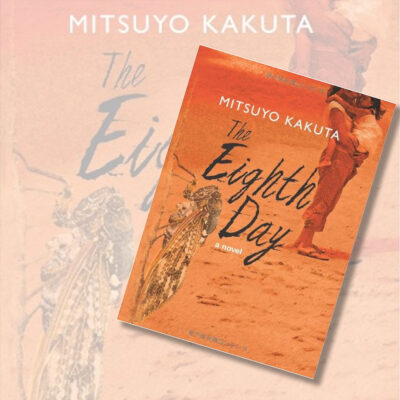

Library Reviews
PORTRAITS OF A MOTHER
An exploration of childhood scarring from a parentally broken household and the ongoing wounds perpetuated by flawed, complex, relatable characters.
Discovery of a new work by a famous, deceased author is major news. Such an event occurred in 2020 when the museum dedicated to Endo Shusaku found a yet unpublished manuscript among his effects. Confronting the Shadows was that manuscript and is the anchor piece of this anthology, Portraits of a Mother. Written from around 1963 when Endo was 40 years of age, it predates his masterpiece, Silence.
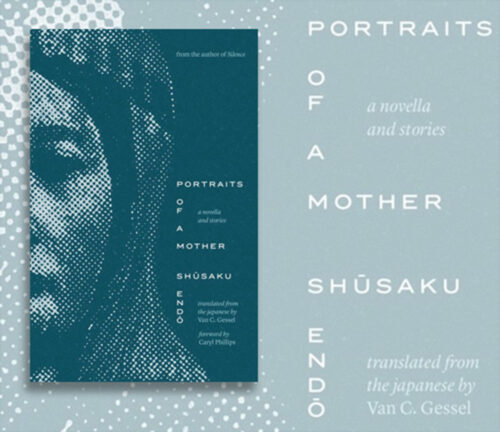
Suguro (Endo’s oft reused character name) is a mediocre writer who is visiting his childhood home together with wife and young child in tow. This obligates Suguro to interact cordially with a father he inwardly despises and reopens the scars left by his tragic mother.
Numerous elements, not least the locations and the violin obsessed mother, conspicuously reflect Endo’s childhood. At the time of writing, he would also have been around the same age as Suguro. A rare Catholic in Japan, Endo is known for and often featured Christianity in his literature. Atypically for his oeuvre, Confronting the Shadows is secular. Perhaps due to the relevant part of Suguro’s childhood occurring at a younger stage than the real Endo’s baptism.
JAPANESE ARMS AND ARMOUR
There is some intriguing history behind the unique swords and armour famously associated with the samurai of feudal Japan. This book provides a distilled look at the evolution of these unique, sophisticated war gear.
If you have ever wondered how Japanese swords and armour were made and how they differed, then this book will provide for several hours of worth of answers. It is written mostly in a chronological progression, and the narrative traces the development of Japan’s armour and armament with reference to the timeline of events occurring in feudal Japan. Though slim in size, it easily contains enough information to occupy at least an evening of reading.
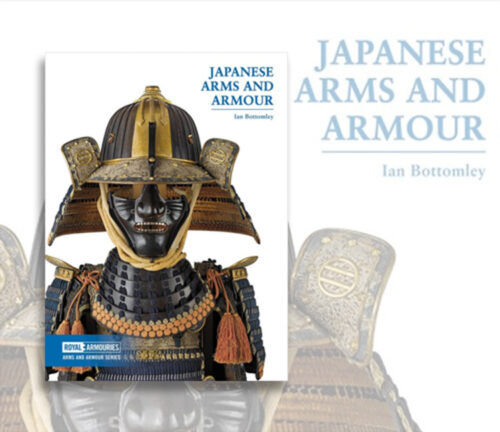
The metal blade of a Japanese sword was in fact composed of several different pieces of steel. The major constituents would correspond to the cutting edge, which needed to be hard, and the inner core of the blade which could be less hard and better at absorbing shock. Armour had to account for weight and complexity while contending with spear thrusts, arrows, swords and later also with gunfire.
Japan now strictly regulates and oversees the preservation of the artisanal skills required to produce a sword in the traditional manner. A measure that not only recognises the value and heritage of the metal-smithing disciplines involved but is also intended to ensure the continuation of the knowledge. The author of this book, Ian Bottomley, had a varied career before becoming a curator at the UK Royal Armouries museum. He commenced in the 1980s before being conferred with emeritus status in the mid 2000s. He has authored several books related to Asian traditional weaponry and armour.
(Previously reviewed 2018.)