Japanese Architecture and Cities: The Blurring Line between Naturality and Artificiality
Presented by Dr. Raffaele Pernice, Prof. Thomas Daniell, Dr. Heide Imai, Prof. Lee Stickells & Dr. Amina Kaskar
April 2, 2026
Join a roundtable of international scholars, academics, and experts to learn about the impact, relevance and the “complexity and contradictions” that define Japanese architecture and cities today.
When it comes to iconic interiors, compelling architectural design, seductive garden and landscape compositions, and large-scale yet functional urban environments, Japan stands among the few countries that have consistently served as both forerunner and innovator—continuing to exert an unparalleled influence worldwide.
Traditional Japanese architecture, from domestic to military and religious structures, is historically rooted in an intimate relationship with the natural world. This connection is evident in the materials employed—primarily timber and stone—and in the expressive design language, which prioritises formal simplicity, nuanced contrasts of light and shadow, spatial flexibility, and a refined, sophisticated aesthetic conception.
Throughout the radical social, cultural, technological, and economic transformations of the twentieth century, Japan rapidly shifted from a largely post‑feudal, militaristic system to a postwar democratic society, becoming a peaceful and industrious nation, an image that endures today. Its cities emerged as crucial hubs for innovation and experimentation, where modernity sought to mediate between past and present, generating new architectural forms and reimagined urban environments.
The hybrid talk event will also be available to view online via livestream on the JPF Sydney Facebook page.
 Dr. Raffaele Pernice
Raffaele Pernice is a 2026 JSPS BRIDGE Fellow and Senior Lecturer in Architecture and Urbanism at UNSW Sydney. Recipient of a Monbukagakusho Scholarship, a JSPS Postdoc Research Fellowship, and a JF Japanese Studies Fellowship, he holds a PhD in Architecture from Waseda University in Tokyo and a MArch from IUAV University of Venice. A licensed architect in Italy, he is editor of the books Waterfront Regeneration in a Time of Climate Change. Recent Japanese and International Experiences (Routledge, 2025) and The Urbanism of Metabolism. Visions, Scenarios and Models for the Mutant City of Tomorrow (Routledge, 2022).
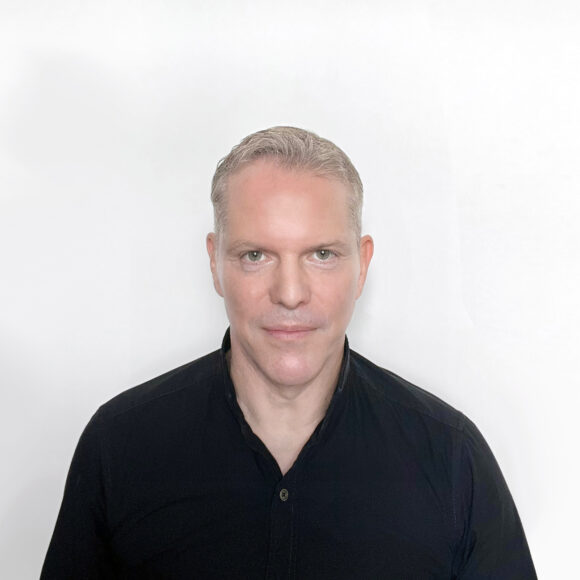
Prof. Thomas Daniell
Thomas Daniell is Professor of Architectural Theory and Criticism at Kyoto University, Japan. He holds a B.Arch from Victoria University of Wellington, an M.Eng from Kyoto University, and a Ph.D from RMIT University, his publications include FOBA: Buildings (Princeton Architectural Press, 2005), After the Crash: Architecture in Post-Bubble Japan (Princeton Architectural Press, 2008), Houses and Gardens of Kyoto (Tuttle, 2010; second edition 2018), Kiyoshi Sey Takeyama + Amorphe (Equal Books, 2011), Kansai 6 (Equal Books, 2011), and An Anatomy of Influence (AA Publications, 2018).
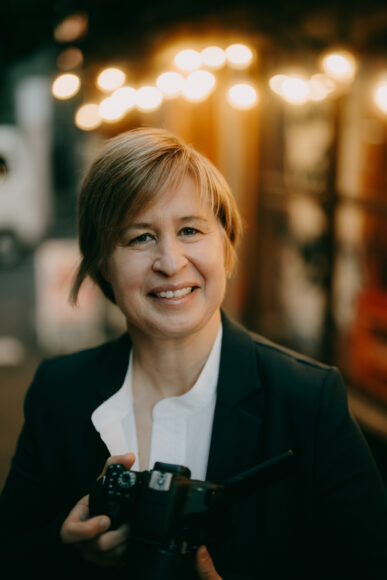
Dr. Heide Imai
Dr. Heide Imai is a tenured Professor at Senshu University in Tokyo, where she explores the intersection of architecture, creativity, and everyday urban life. Trained as an architect in Europe and holding a PhD from Manchester Metropolitan University, her work bridges design practice and urban research across Asia. She is the author of Tokyo Roji and Creativity in Tokyo (with Ursic), and co-editor of Asian Alleyways (with Gibert-Flutre). Her research focuses on how small-scale spaces, such as alleyways, shape community life, resilience, and cultural identity in contemporary cities. With a particular focus on Japan, she examines how architectural traditions and contemporary design practices respond to changing social and urban conditions.
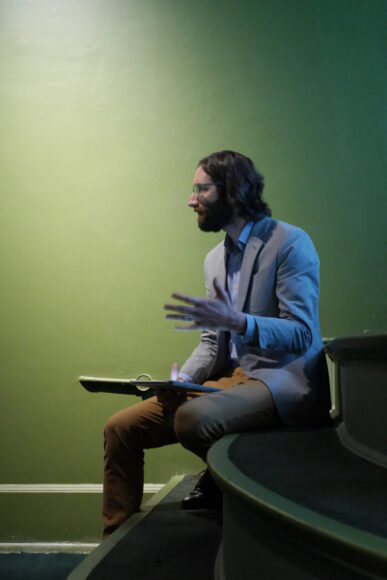
Prof. Lee Stickells
Lee Stickells is Professor of Architecture in the School of Architecture, Design and Planning of Architecture at the University of Sydney. He is the current Deputy Dean (Academic) and Deputy Head of School, and academic director for the Rothwell Chair in Architectural Design Leadership. Lee’s historical research on international countercultural and ecological design experimentation has been published widely across scholarly, professional, and popular media. He is also actively engaged in editorial, creative and curatorial practice—collaborating with publishers, museums, galleries and other cultural organizations. Whenever he gets the chance, he can be found riding a bike.
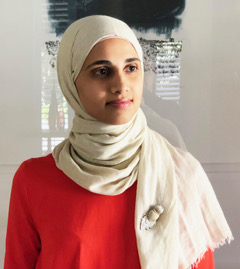
Dr. Amina Kaskar
Dr. Amina Kaskar, a South African architect and Rothwell Chair Postdoctoral Research Associate at the University of Sydney, is currently collaborating with Japanese architects Atelier Bow Wow on the Urban Rural Commons. Her work explores intersections of architecture, migration, gender, and cultural identity through soft architecture – including plants, food, and textiles. Amina completed her PhD at KU Leuven, using visual ethnography to examine migrant spatial practices in exclusionary environments, uncovering opportunities for reclamation and agency. Her research builds on her work at Counterspace, the Johannesburg-based studio she co-founded (2014–2020), known for interventionist architecture, including the 2020 Serpentine Pavilion.
PHOTOS
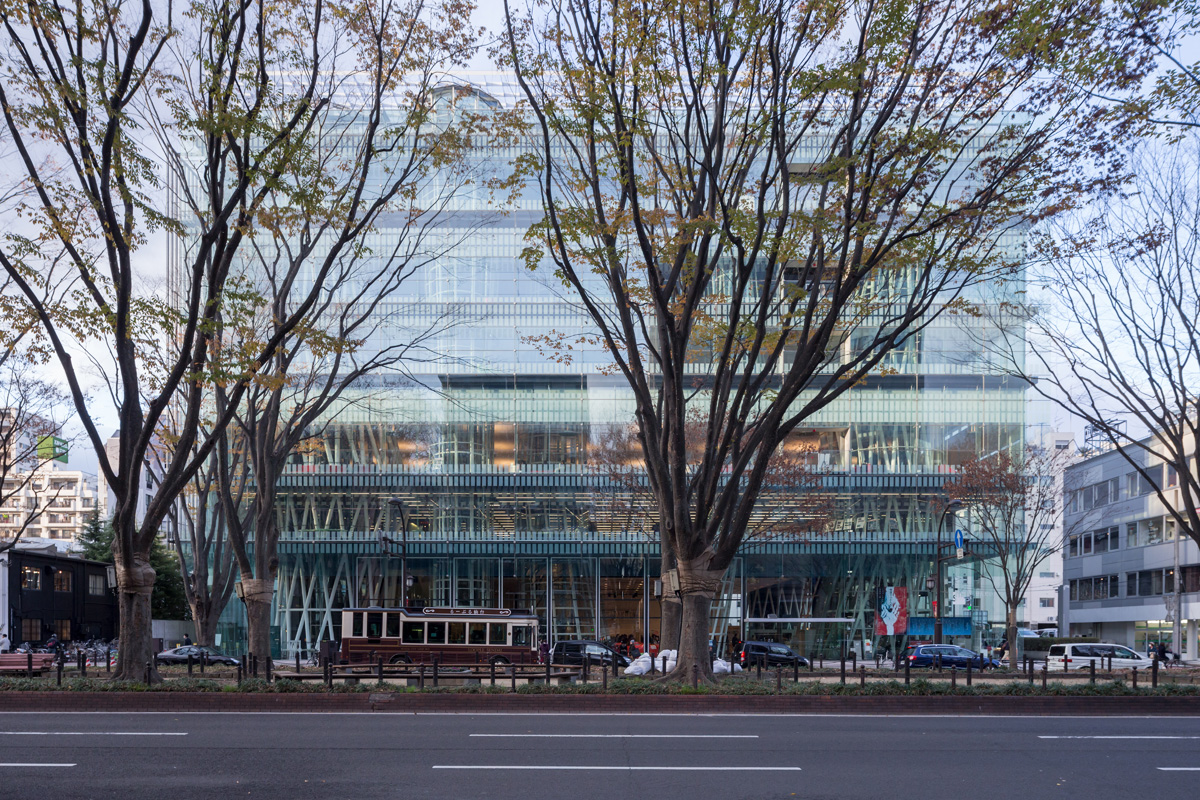
Photo: Iwan Baan
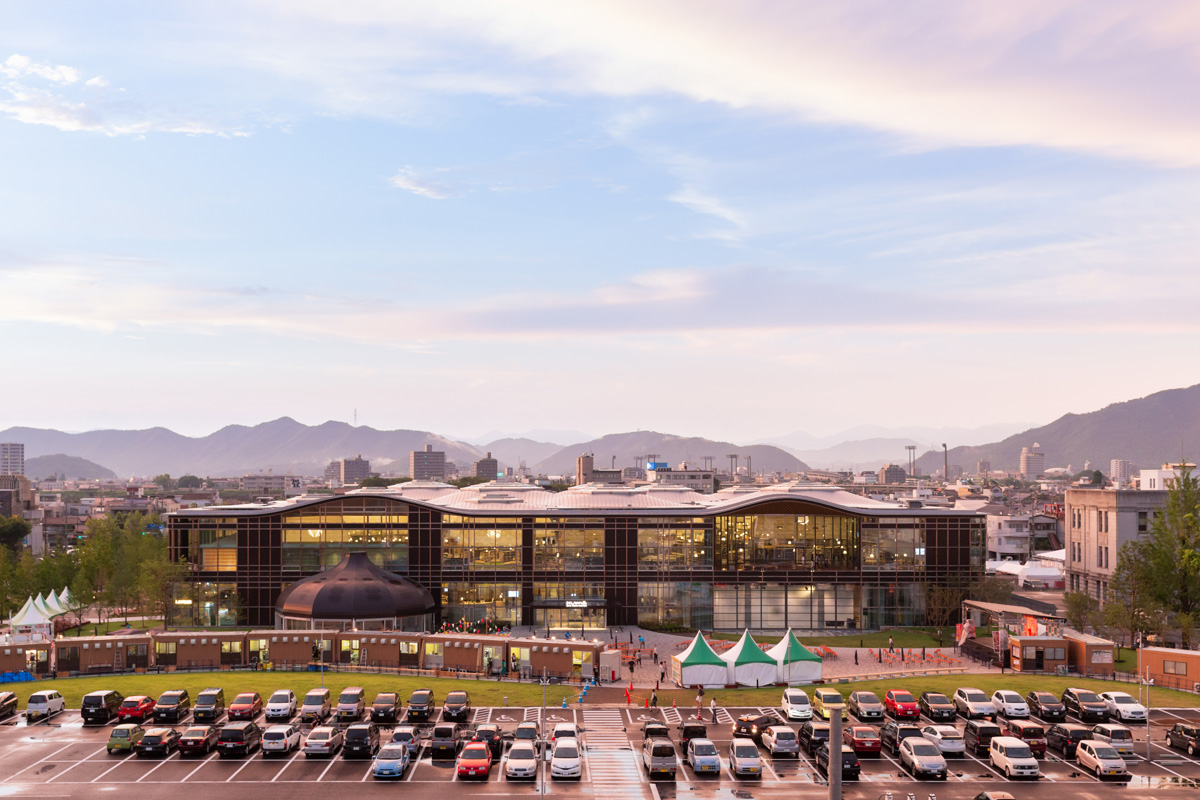
Photo: Iwan Baan
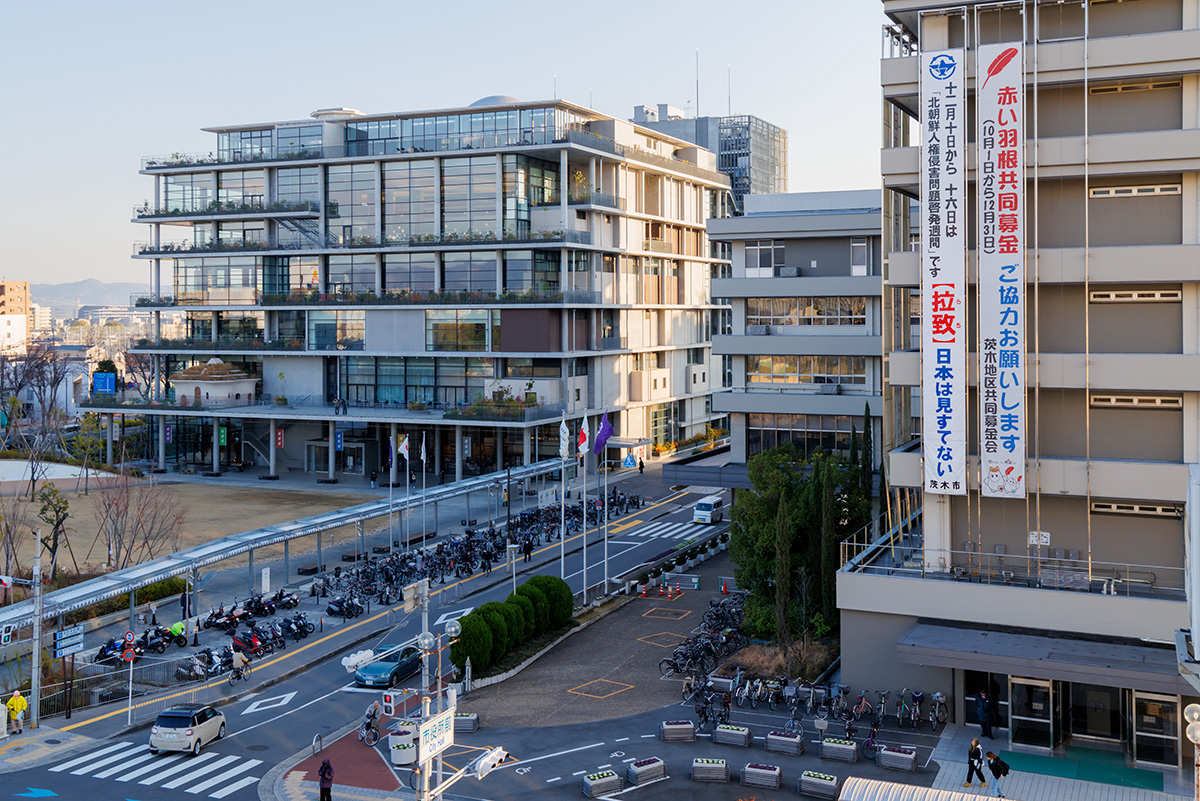
Photo: Iwan Baan
EVENT DETAILS
April 2, 2026 (Thursday)
6-7:30pm AEDT
1h presentation + 20min discussion + 10min Q&A
Bookings not required
VENUE
The Japan Foundation, Sydney
Level 4, Central Park
28 Broadway, Chippendale NSW 2008
ADMISSION
Free
ENQUIRIES
(02) 8239 0055
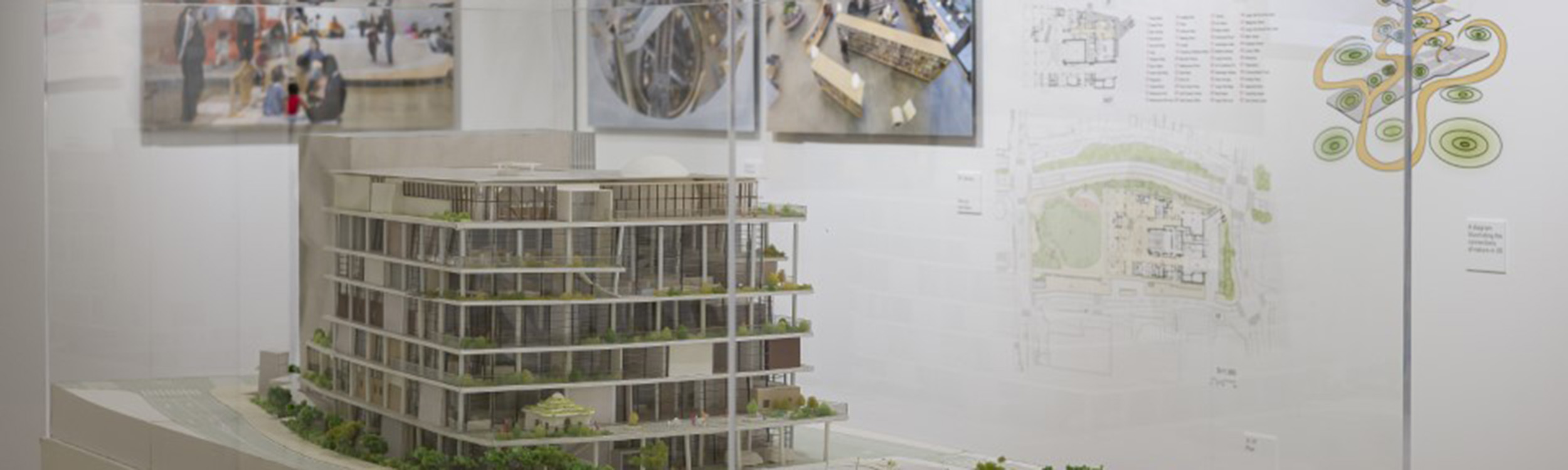
Header image by Document Photography
Presented by

Held in Commemoration of