
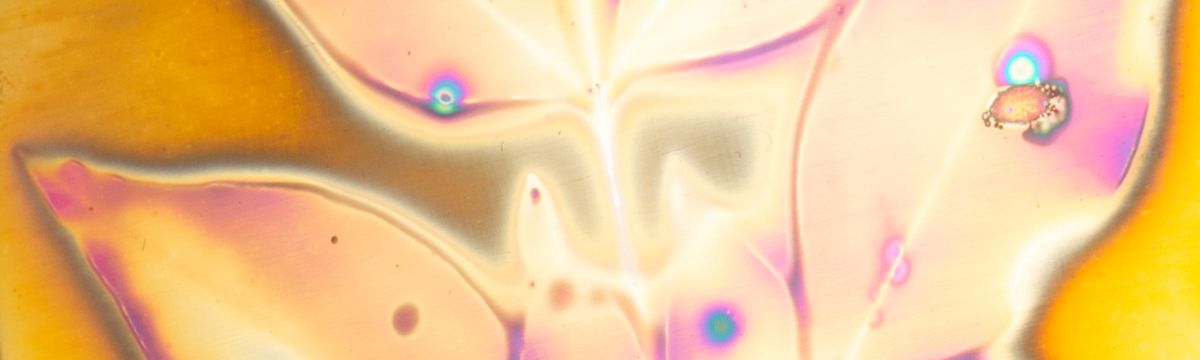
Hanako Murakami: Radiant Force
Exhibition
September 25, 2026 – February 27, 2027
Artist Hanako Murakami has long explored photography’s origins as part of a broader practice that considers the ways images come into being. She returns to photography’s earliest experimental moments in the nineteenth century – when the very idea of a photograph was in flux.
Murakami evokes a world of expanded possibilities for image-making through film, installation, olfactory works and unique photographic objects, drawing upon the chemical experiments of scientists and inventors working over 200 years ago and excavating forgotten photographic processes through rigorous research and experimentation.
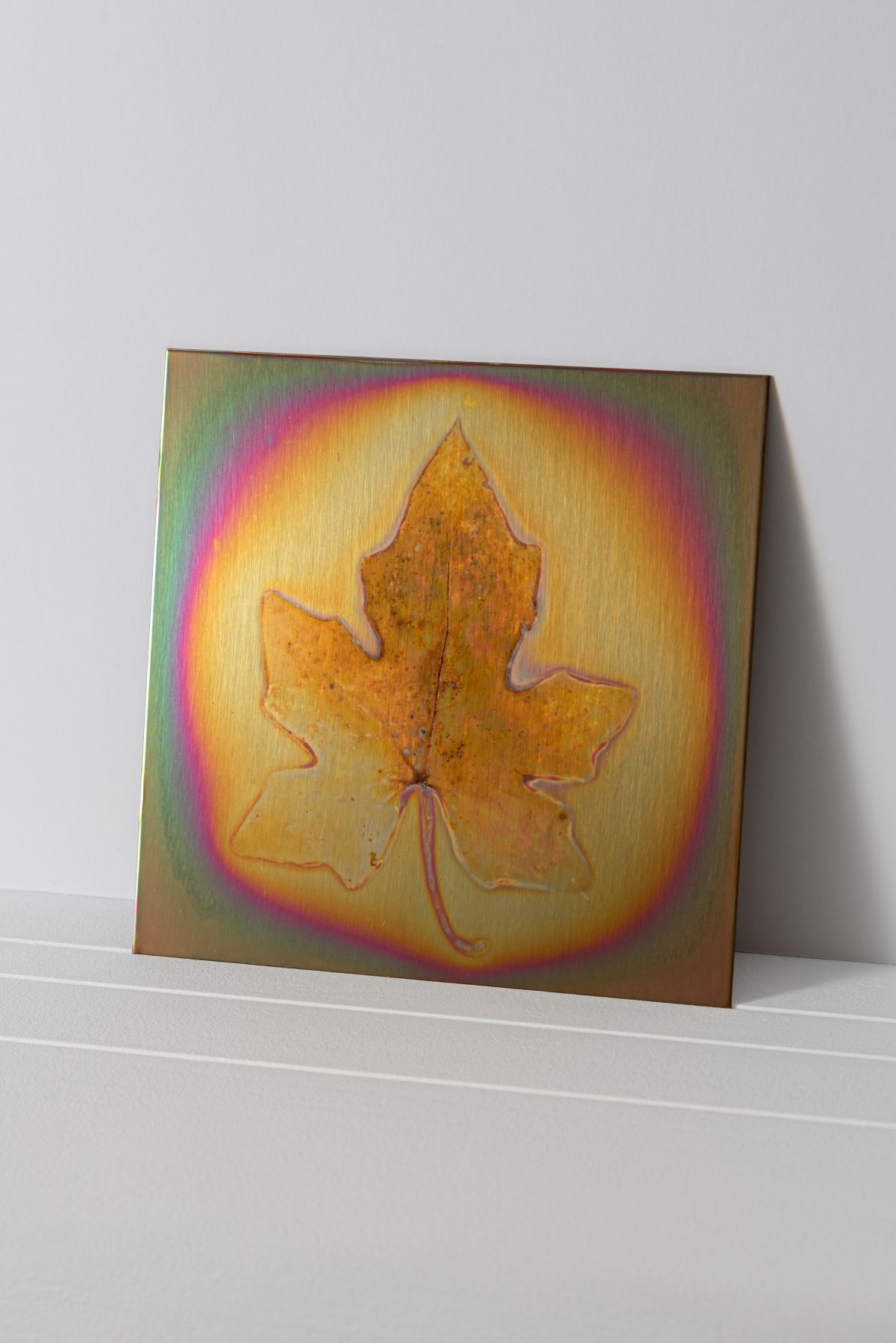
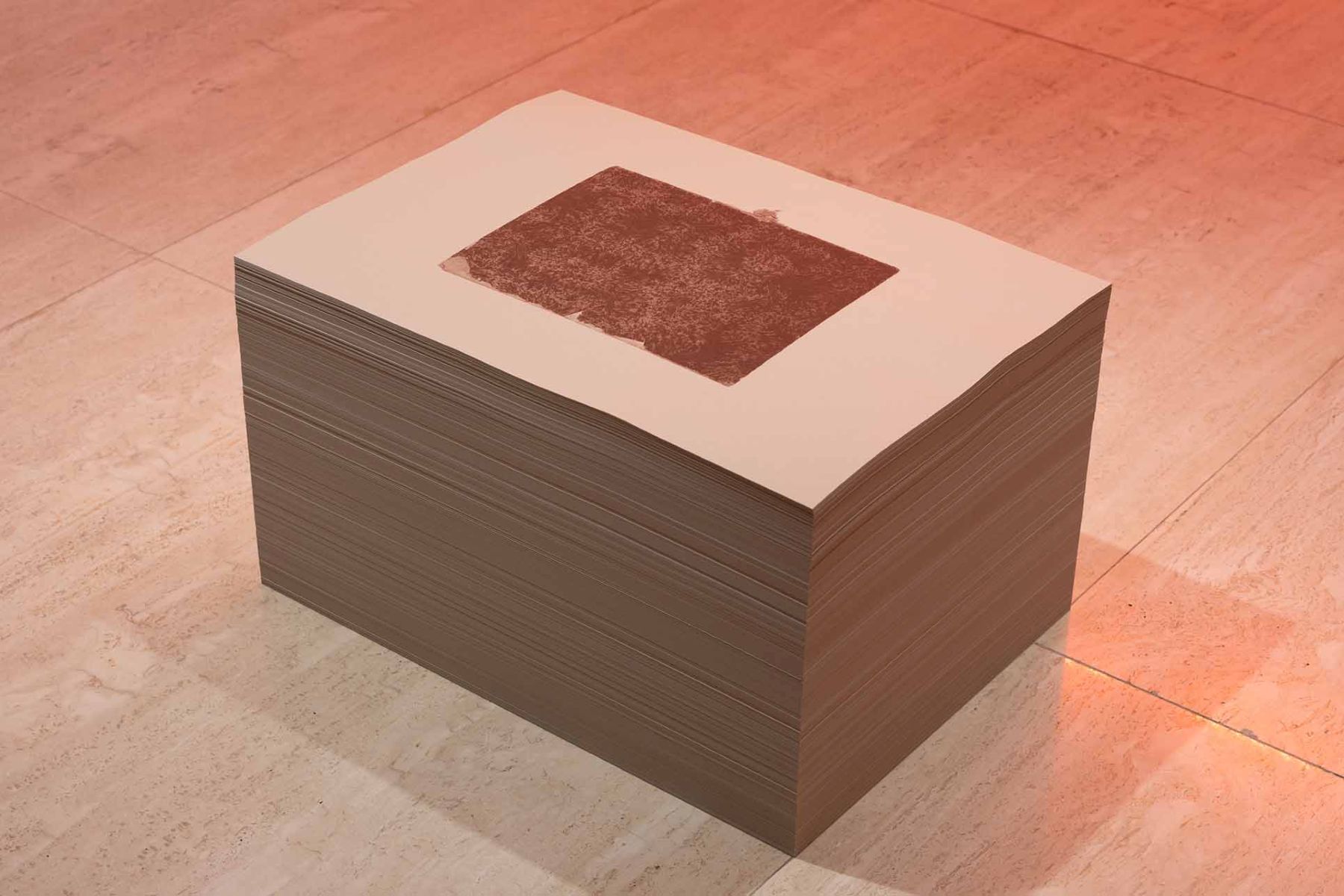
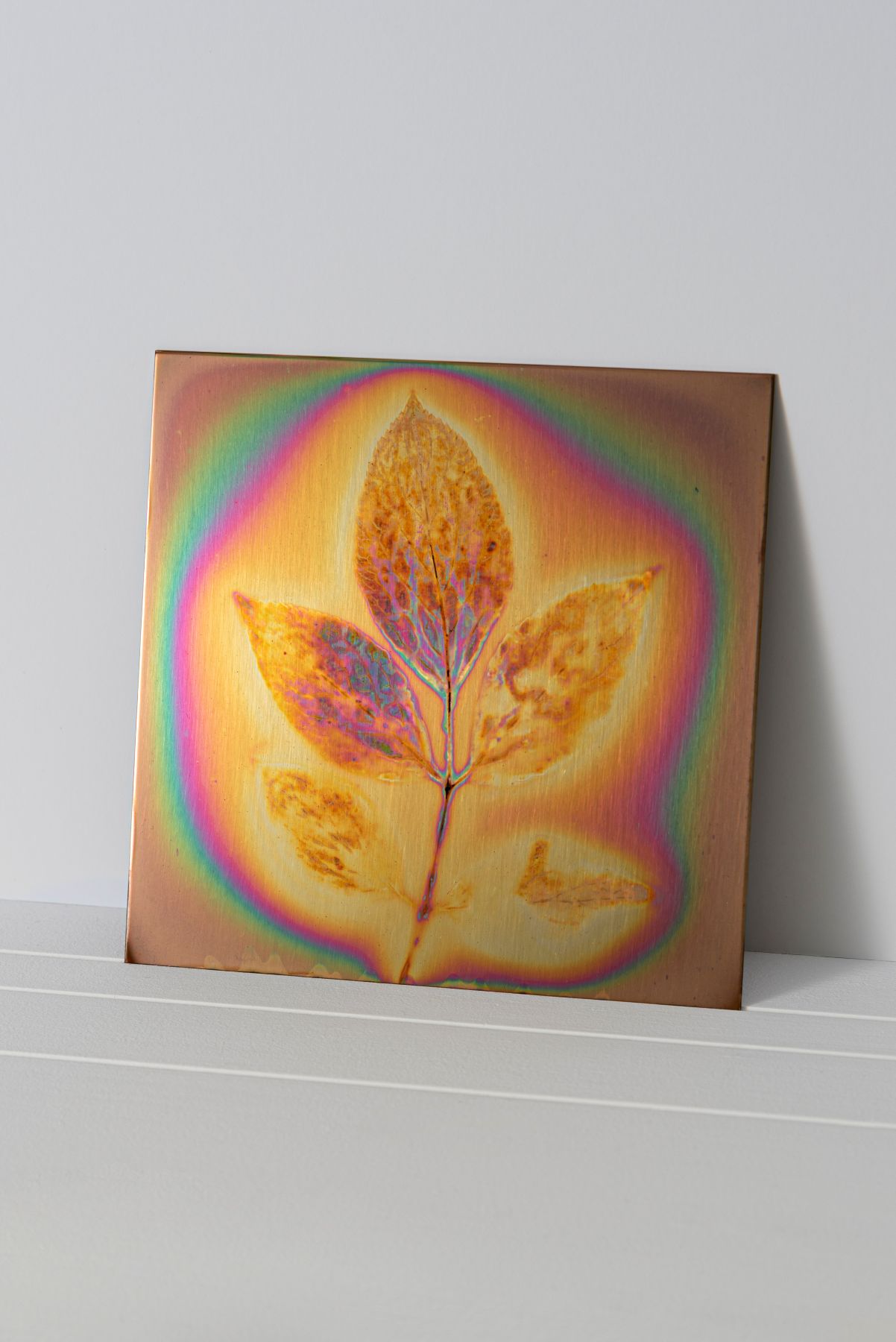
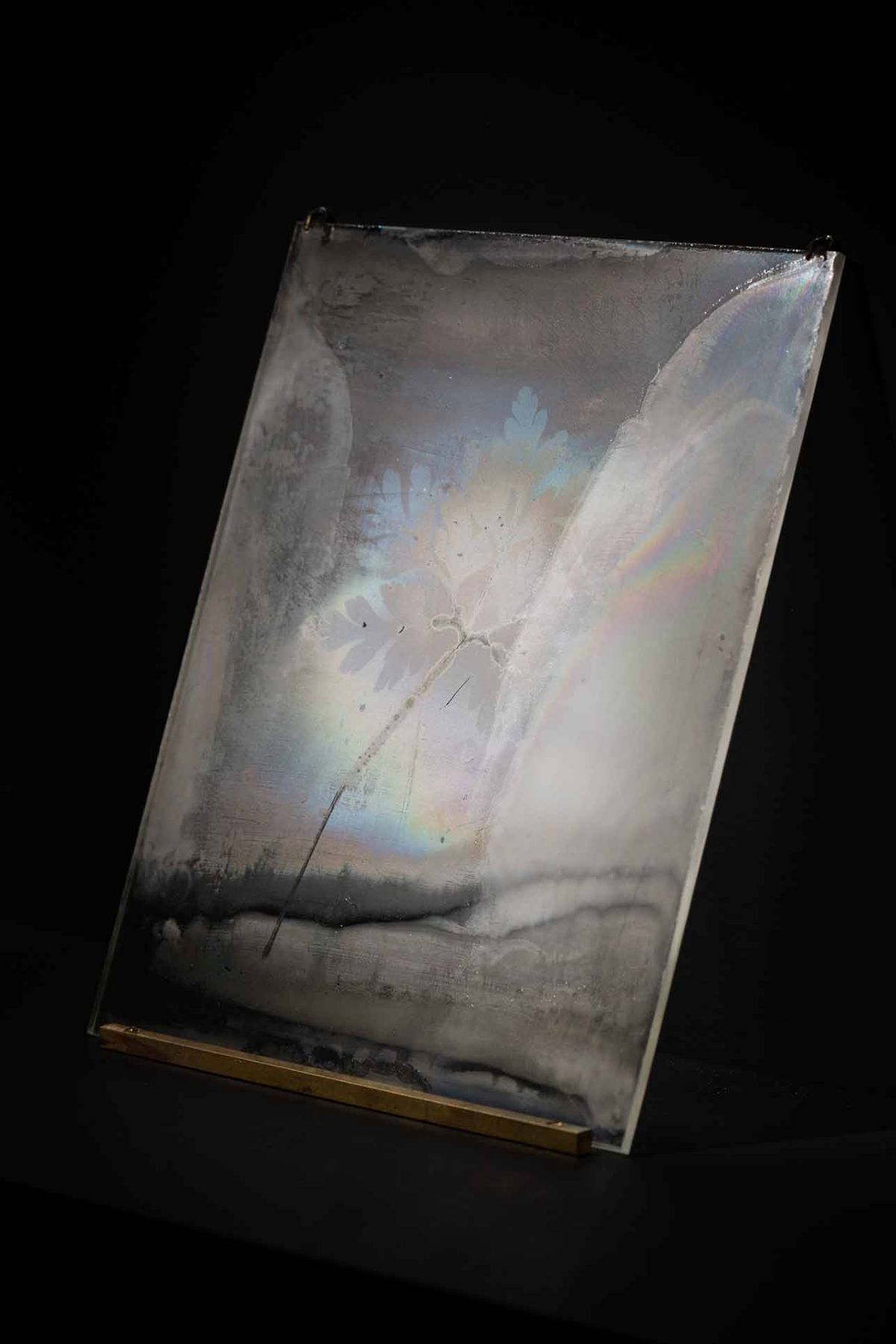
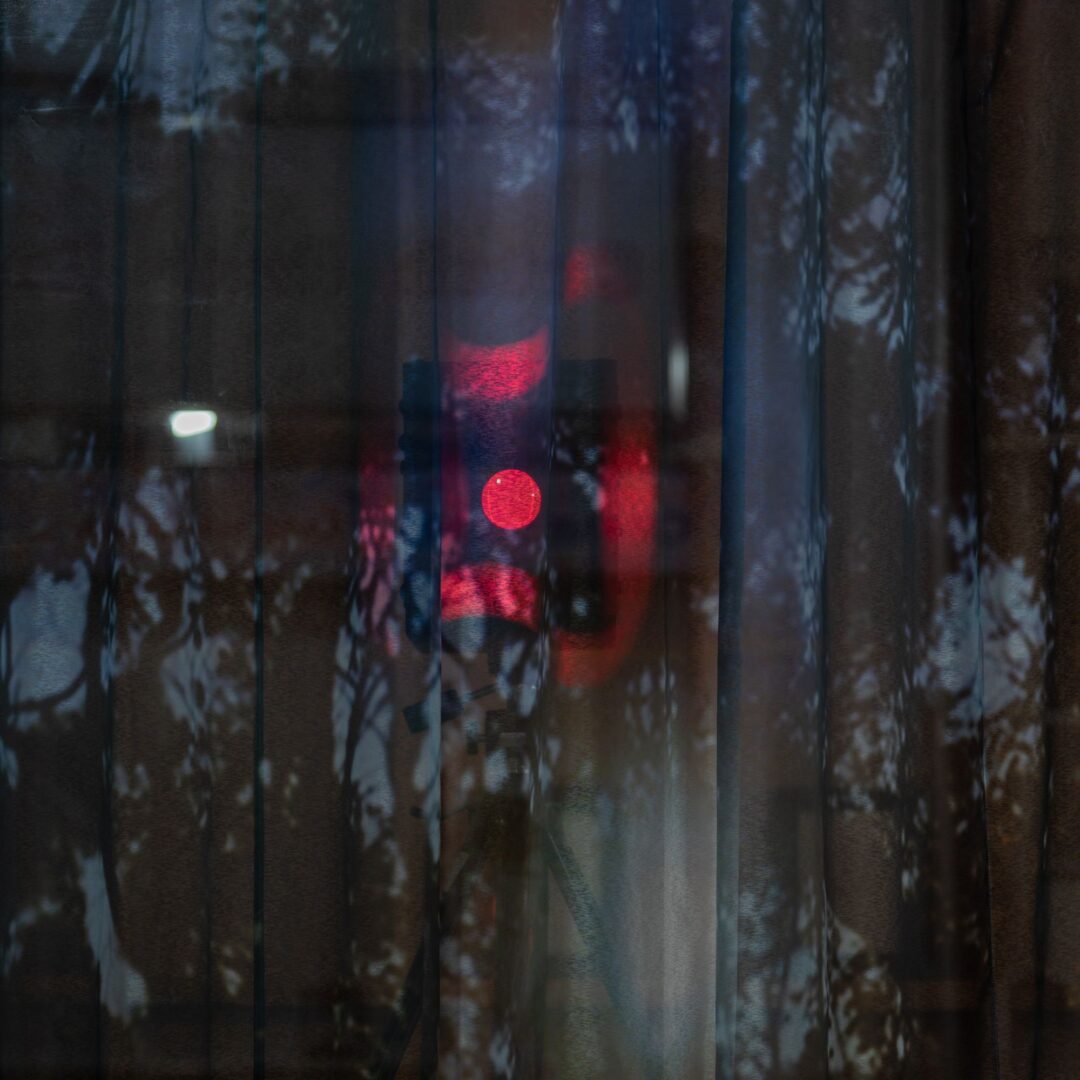
The artist’s first exhibition in Australia, Hanako Murakami: Radiant Force presents recent works that reconsider what photography can be. These include new works in Murakami’s ongoing Thermography series, featuring plants selected from the gardens of French inventor Joseph Nicéphore Niépce, and a perfume conjuring the sensory experience of making photographs in the 1820s. As we approach two centuries since the world’s oldest surviving photograph was made, at a moment when AI is redefining image-making itself, Hanako Murakami: Radiant Force encourages us to revisit what we think we know about photography.
Curated by Antares Wells, Hanako Murakami: Radiant Force will be held at the Japan Foundation Gallery from September 25, 2026 to February 27, 2027.
SELECTED WORKS
ARTIST STATEMENT
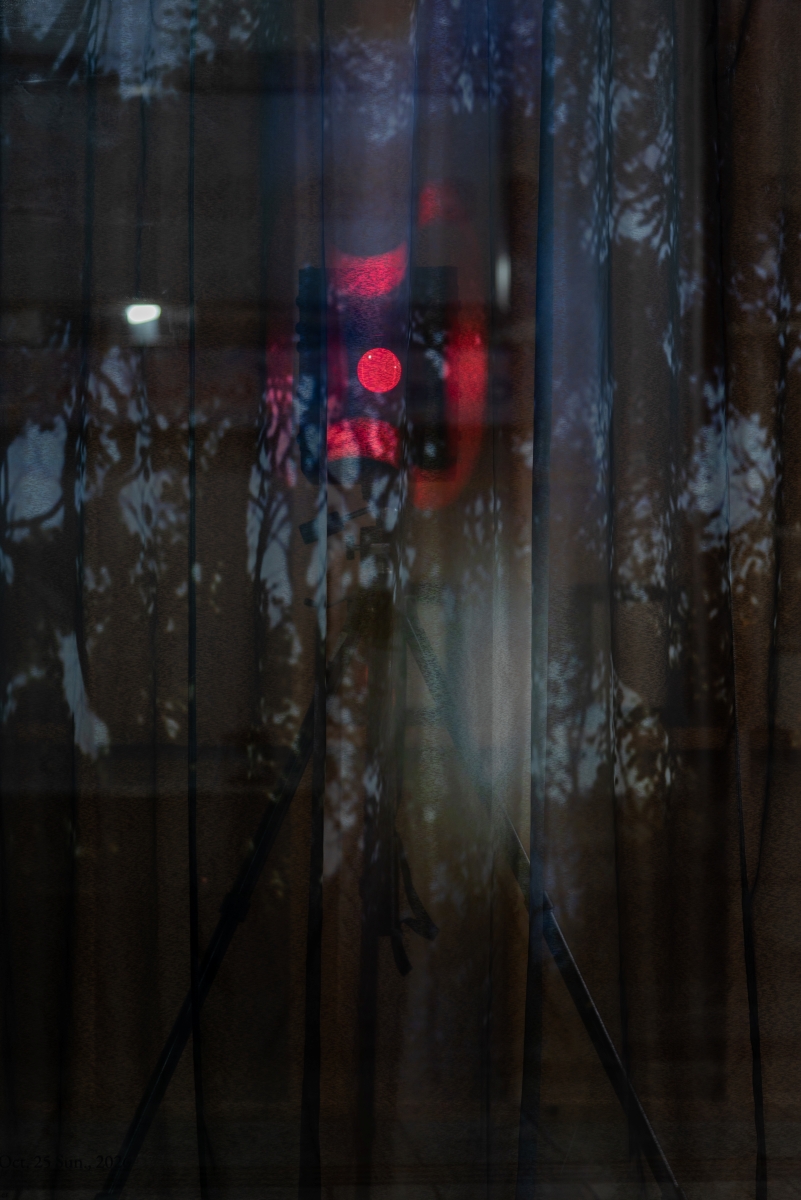
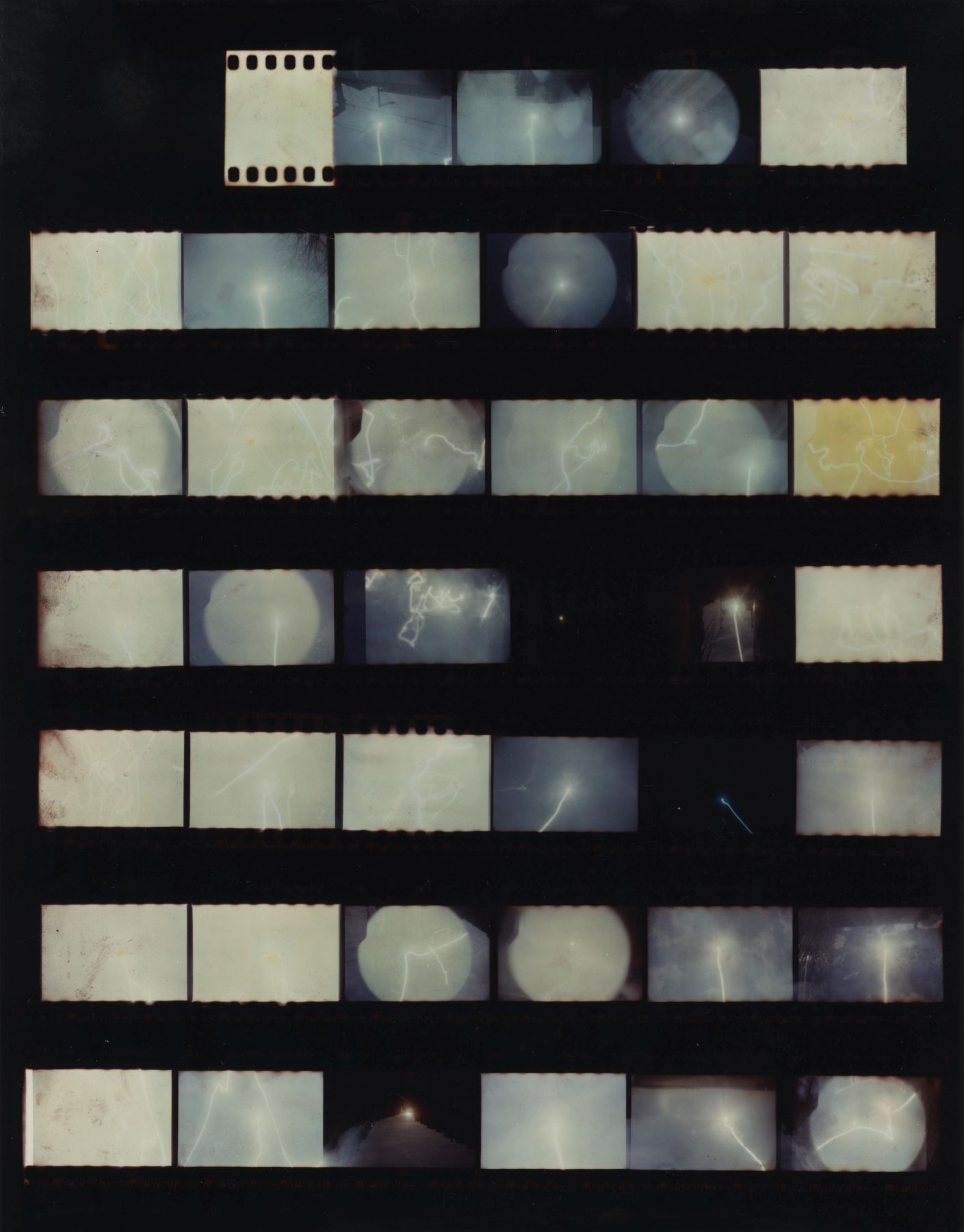
Turning toward the other side of the earth, dwelling on its correspondence with the reverse side of the eyeball, I was searching for the Hanazono of Kagoshima Castle, where the first photograph in Japan is said to have been taken. The place is marked ‘Hanazono’ on a map from that period. A daguerreotype portrait of Shimazu Nariakira, the lord of the castle, is said to have been made there. Yet the layers of earth from that time had been dug up and discarded; the site was now a parking lot. Between alternating rows of cars and cherry trees, I looked directly at the sun and released the shutter of my camera, Retina.
Photography began in the sun. One of the names Niépce used for his early experiments was ‘heliography’, a term derived from the Greek for ‘sun writing’. Attempting to capture the sun once a day, images appeared on my film that sometimes resembled the fundus of the eye as seen through an ophthalmoscope. To look at the sun also seemed to be a way of looking into the depths of an eye.
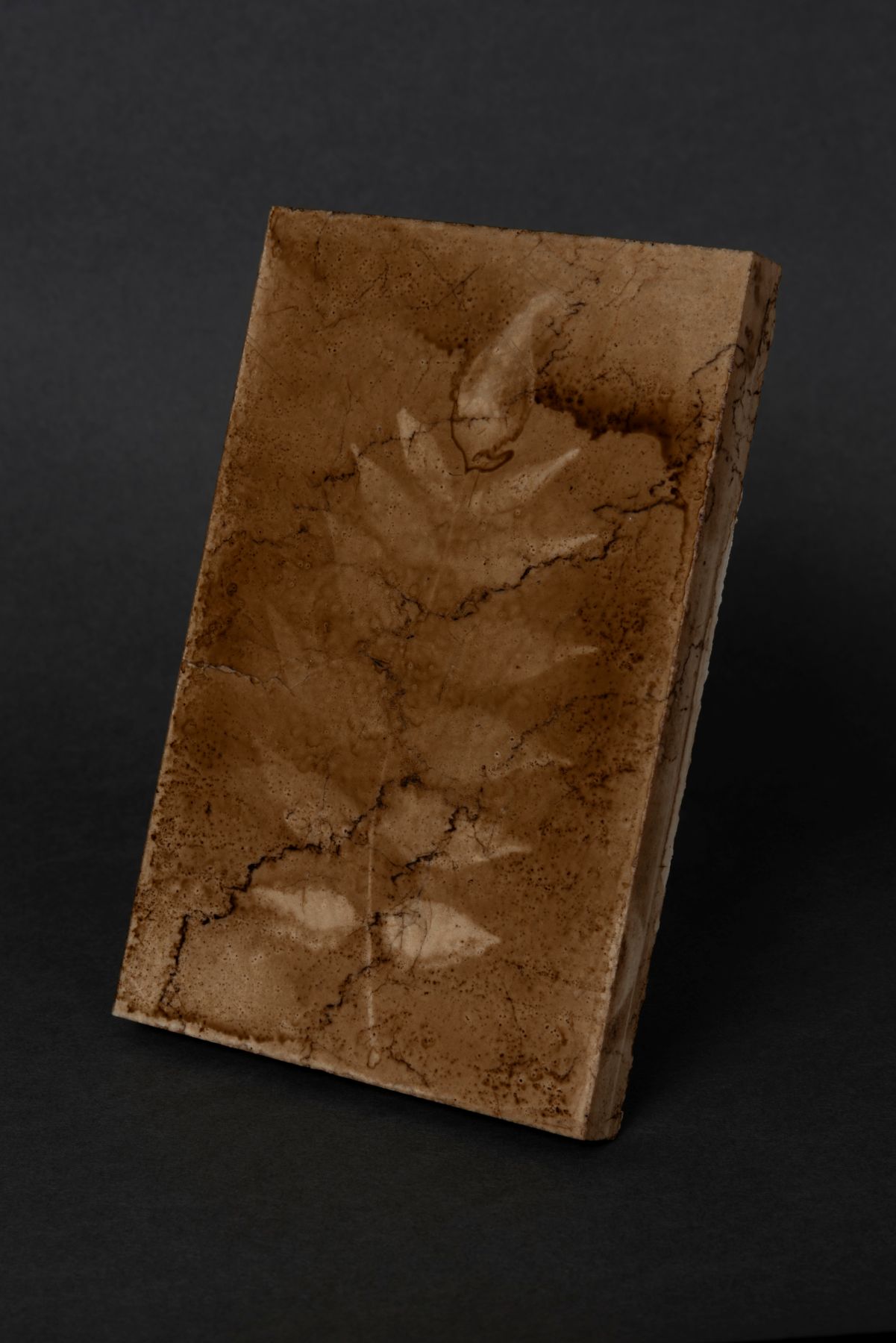
In order to hold this ‘sun writing’, Niépce soaked asphalt powder overnight in lavender oil, applied it to a polished surface, and exposed it to light. For development, the surface was immersed for a time in lavender oil diluted with oil of turpentine. Retracing this process, I found that the image that was not yet called photography must have arisen not only from light, but also from such aromas.
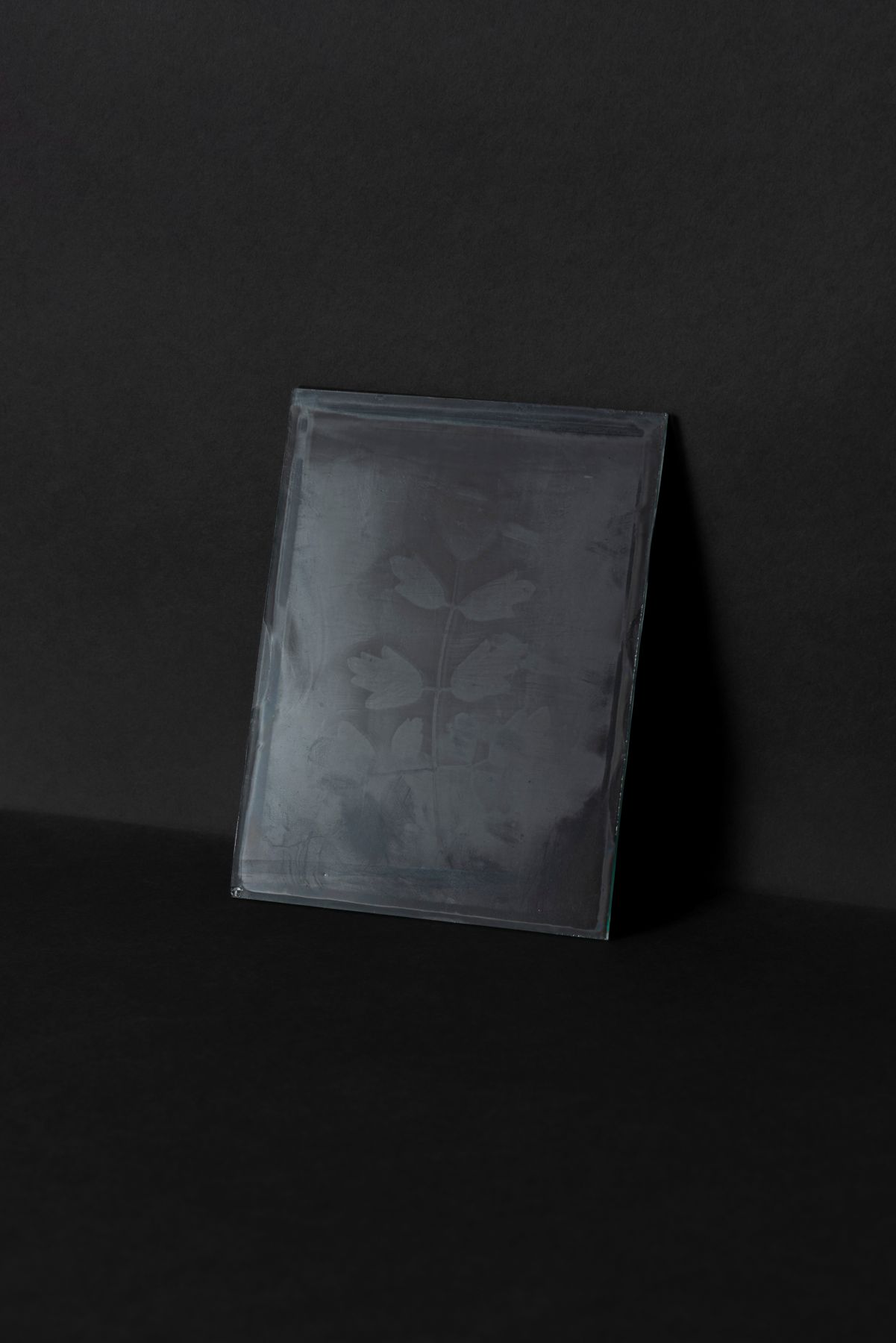
Photography also began in the physautotype. In order to hold ‘the signs of nature itself’, Niépce dissolved in alcohol a substance obtained by boiling down lavender oil, or pine resin that had been boiled down and ground, and applied this solution to a smooth surface. When the solution is dripped onto a silver, copper, or glass plate held vertically, iridescent interference colours appear on the surface. As the solvent evaporates, a band of rainbow slowly rises, leaving behind a thin film. This film reacts to light and becomes the photosensitive surface of the physautotype.
Photography also began in heat. When heat is applied to the surface of a polished copper plate, oxidation produces an iridescent image. These colours do not come from pigments or ink, but from the interference of light within an extremely thin oxide film formed on the surface. The image appears and disappears according to the angle of view and the way light falls on it, while remaining on the surface.
Here, light does not merely render the world visible. It illuminates the fundus of the eye, becomes heat, acts upon surfaces, reveals iridescent interference, forms latent images, and sometimes rises with aromas. Following an early photographic way of thinking, in which matter exposed to light retains its action even in darkness and radiates it again, this could perhaps be called Radiant Force. At its beginning, photography was less the invention of an image than a technique for coming into contact with this radiant force.
地球の逆側に行くにあたり、眼球の裏側との相似形に想いを巡らせながら、わたしは日本で最初に写真が撮られたという鹿児島城の花園を探していた。古地図の上では「花園」と記されているその場所では、かつて城主・島津斉彬の肖像がダゲレオタイプで撮られたはずなのだが、その頃の地層はすべて剥がされ、いまは駐車場になっていた。車と桜の木が交互に並ぶ合間から、私は太陽を直視しつつ、網膜という名のカメラでシャッターを切った。
そもそも、写真のはじまりは、太陽にあった。ニエプスが初期の実験に用いた「エリオグラフィー」という名は、ギリシャ語で「太陽の書法」を意味する。一日に一度太陽を捉えることを試みると、フィルム上に現れる像は、ときに検眼鏡で覗いた眼底のようにも見えた。太陽を見ることは、眼の奥を覗き込むことでもあるようだ。
「太陽の書法」を留めるために、ニエプスはアスファルトの粉をラベンダーオイルに一晩浸したものを磨き上げた表面に塗布し、露光した。現像には、ラベンダーオイルをテレピンオイルで希釈した液が用いられた。まだ写真と呼ばれていなかった像は、そんな香りの中から立ち上がったはずだ。
写真のはじまりは、フィゾトティープの中にもあった。「自然そのもののしるし」を留めるのに、ニエプスはラベンダーオイルを煮詰めて得られたもの、あるいは松脂を煮詰めて粉砕したものをなめらかな表面にアルコールとともに塗布した。銀板、銅板、あるいはガラス板の表面にその液体を滴下すると、虹色の干渉が現れる。溶剤が蒸発すると虹は乾き、薄い膜が残る。その膜は光に反応し、フィゾトティープの感光板となる。
写真のはじまりは、熱の中にもあった。磨いた銅板の表面に熱を加えると、酸化によって玉虫色の像が生まれる。それは、表面に形成されたごく薄い酸化膜が光に干渉することで現れる色であり、見る角度や光によって像は現れたり消えたりしながら、表面に留まり続ける。
ここで光は、世界を見えるものにするだけにとどまらず、眼底を照らし、熱となり、あらゆる表面に作用し、玉虫色の干渉光を顕し、潜像を形成し、時には香りをともなって立ち上がる。光を受けた物質が、暗闇の中でなおその作用を保持し、ふたたび放ち続けるという初期写真の思考にならえば、それは《Radiant Force》――輻射する力――と呼ぶことができるかもしれない。写真は、そのはじまりにおいて、一枚の像の発明である以前に、この輻射する力に触れるための技術だった。
Hanako Murakami
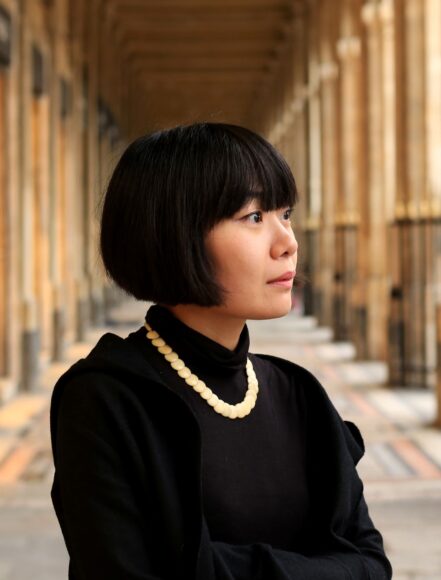
Hanako Murakami (b. 1984, Chiba) is a Paris-based artist whose work explores the origins of photography and the persistence of lost or invisible images. Moving between historical photographic processes, artificial intelligence, eye-tracking technologies, installation, and video, she investigates how acts of seeing give rise to images.
In recent years, her research has focused on Joseph Nicéphore Niépce and the invention of photography. Through archival research, the reconstruction of early photographic experiments, AI-generated imagery, and the visualisation of visual attention, she reconsiders the status of images before and after photography.
Murakami was nominated for the New Discovery Award at Les Rencontres d’Arles in 2019. Recent exhibitions include the National Museum of Women in the Arts (Tokyo, 2026), Guangzhou Image Triennial (Guangzhou, 2025), and the 10th Daegu Photo Biennale (Daegu, 2024). In 2026, she was a fellow of Villa Albertine in New York, where she conducted research in major photographic archives and collections across the United States. Her works are held in the collections of the Centre national des arts plastiques – CNAP (France) and the J. Paul Getty Museum (United States).

Antares Wells
Antares Wells is a curator and writer with a specialisation in photography. Her curatorial and research interests span nineteenth-century photographic practices through to contemporary photography, film, and installation. She is Assistant Curator at the Museum of Contemporary Art Australia, and has previously held curatorial positions at the J. Paul Getty Museum, Los Angeles, the Powerhouse Museum, Sydney, and the University of St Andrews, where she worked with internationally significant photographic collections and leading contemporary artists. Antares has presented research in photography at the Victoria & Albert Museum, London; Getty Research Institute, Los Angeles; University of California at Riverside; and Concordia University, Montréal; and serves on juries for photographic prizes in Australia and internationally.
EXHIBITION DETAILS
OPENING RECEPTION
September 25, 2026 (Friday)
6pm-8pm
Opening address at 6:30pm
Bookings not required
GALLERY HOURS
Mon–Fri: 10am–6pm
Sat: 11am–4pm
Closed Sundays and public holidays. Please refer to our centre closure dates here.
VENUE
The Japan Foundation, Sydney
Level 4, Central Park
28 Broadway, Chippendale NSW 2008
ADMISSION
Free
ENQUIRIES
(02) 8239 0055
Exhibition Program
Presented By

Production Support

Held In Commemoration Of
Supported By
This exhibition has been supported in part through donations raised by the ASUE Charity Art Auction.
