
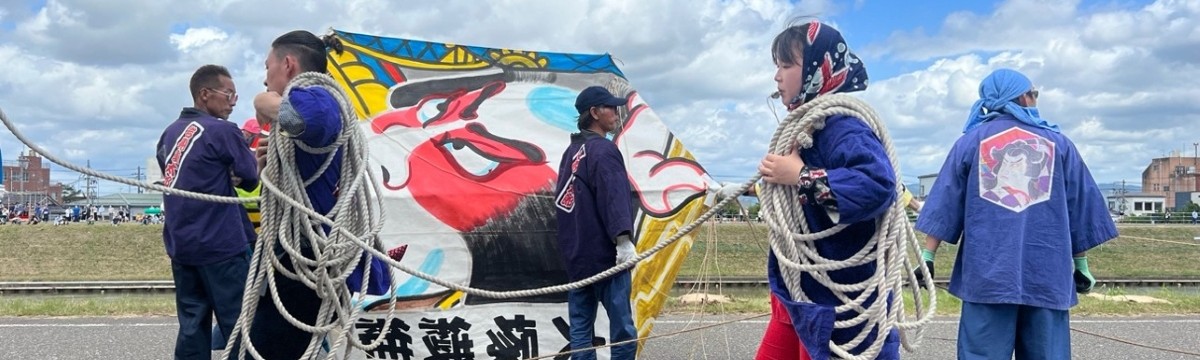
Australia-Japan Horizons: a forum on art & the commons
September 12, 2026
This event in the Curating ‘Now’ series takes the form of a forum on art as a commons in Japan. The presentations and discussions examine how artists—both Japanese and Australian—as well as curators and communities, have come together to create shared cultural spaces across diverse local contexts in Japan. Through personal accounts of contemporary curatorial and artistic practice, the forum will consider the development of arts festivals, residencies and community-engaged projects; the role of local resources and support networks; and the opportunities and challenges of collaboration, participation and public engagement.
Session One: features senior curator Hiroyuki Hattori and emerging arts researcher and producer Asako Jindo, who will discuss projects spanning the urban frameworks of the Aichi Triennale to the regional context of the Oku-Noto Triennale, and a range of curatorial and artist-led initiatives engaging, migrant, marginalised, local and rural communities. Their respective practices go beyond conventional understandings of curatorial methods and responsibilities, showing both a response to environmental and social events of the last decade in Japan, as well as international trends of working beyond museum and gallery spaces.
Session Two: extends these themes from the experiences of Japanese and Australian artists, bringing together Tsuyoshi Ozawa, Shinji Ohmaki and Kei Takemura, with Janet Laurence, Claire Healy & Sean Cordeiro, and Match Box Projects (Leanne & Naomi Shedlezki). Looking at socially engaged art, public art, and cross-cultural projects, the panel will share experiences from major transnational exhibitions such as the Echigo-Tsumari Art Triennale, Asia-Pacific Triennale and Biennale of Sydney, as well as more regional and local initiatives in the Oku-Noto Triennale, YUI Port AIR, and the Australia-Japan Match Box Project. Moving between scales and contexts of the commons, this panel looks to the past in order to seed future creative engagement, between contexts and communities.
The event will conclude with a short reception and light refreshments.
SESSION ONE – Curator in the commons
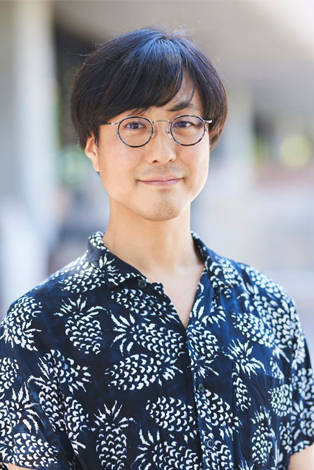 Hiroyuki Hattori
Curator Hiroyuki Hattori is Director of Aomori Contemporary Art Centre (ACAC), a board member of Creative Link Nagoya and Professor in the Faculty of Fine Arts at Aichi University of the Arts. Originally trained in architecture, he worked for approximately ten years at art centres, focusing primarily on artist-in-residence programs, before establishing an independent curatorial practice. Alongside his curatorial work, he has taught at several universities in Japan. His practice centres on participation, collaboration, and engagement with local communities.
Hattori’s major curatorial projects include Media / Art Kitchen (Jakarta, Kuala Lumpur, Manila, Bangkok and Aomori, 2013–14); Rainbow Caravan, in Aichi Triennale (2016); Cosmo-Eggs, Japan Pavilion, 58th Venice Biennale (2019); and Land & Learning: Becoming with the (Common) LAND – Even If We Can’t Be Together (Aomori Contemporary Art Centre, 2026). In recent years, Hattori’s research has explored intersections between folklore studies and contemporary art, and his forthcoming monograph, When Collecting Becomes Art, is scheduled for publication in September 2026. Hattori returns to Australia following previous visits connected with the Asia Pacific Triennial of Contemporary Art, Biennale of Sydney and the Australia Council’s (now Creative Australia) International Visitors Program.
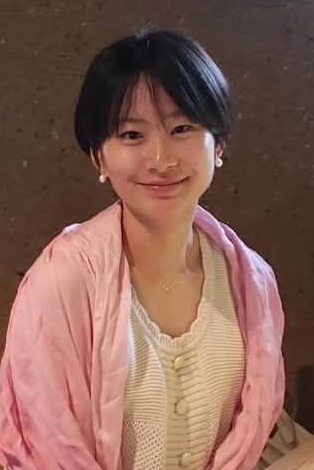 Asako Jindo
Asako Jindo is an arts manager working across contemporary art, research and intercultural exchange. A doctoral researcher in the Graduate School of Global Arts, at Tokyo University of the Arts’ Department of Art Studies and Curatorial Practices, her practice draws on anthropological fieldwork methods to explore how artists, institutions and communities can work together across cultural and geographical boundaries. Jindo has previously worked on Immigration Museum Tokyo, an arts project inspired by Melbourne’s Immigration Museum, and has coordinated and been an interpreter for international residency programs including the photography-based YAU International Urban Exchange Program, Tokyo, and ARCUS Project, in Moriya, Japan’s longest running international arts residency initiative.
Since 2022, Jindo has undertaken long-term research in Suzu, Ishikawa, home of the Oku-Noto Triennale. Her research explores how people form relationships and informal collectives through everyday life, with a particular focus on place, communication, and the role of art in fostering connections. Following the 2024 earthquake, she has been supporting artistic recovery and, community-based cultural activity. She is currently a coordinator for Noto Suzu House, a new residency program and community arts hub run by the Oku-Noto Triennale team.
SESSION TWO – Artist in the Commons
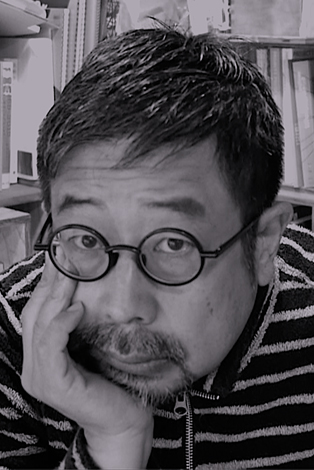 Tsuyoshi Ozawa 小沢剛
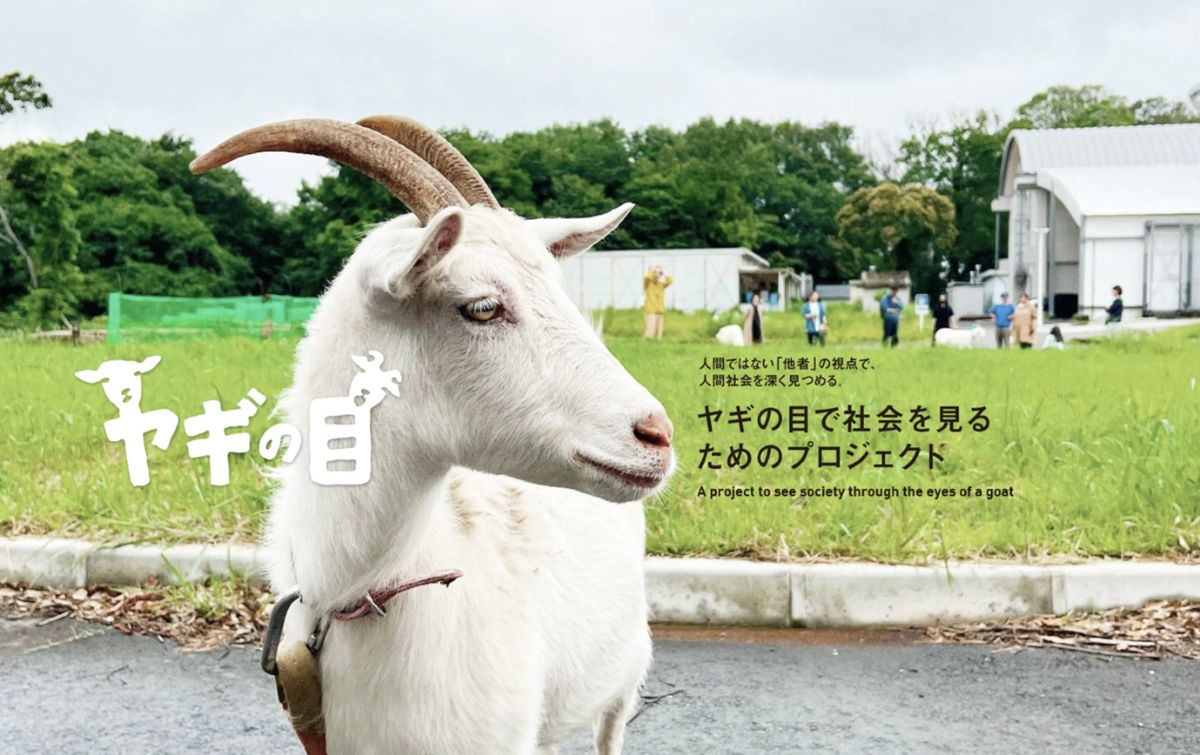
Tsuyoshi Ozawa’s work has long questioned how art intersects with politics, history, identity and everyday life, in Japan and across the world. Working with photography, sculpture, installation, performance and socially engaged projects, Ozawa is known for conceptually playful serial works including Nasubi Gallery (1993), Sanuki Museum of Soy Sauce Art (1999), Vegetable Weapon (2001) and the The Return of… (2013). He has actively explored artistic and social collaborative art making, including in the artist group project Xijing Men from 2007, with the late Chinese artist Chen Shaoxiong, and Korean artist Gimhongsok, as well as his recent project, Goat’s Eyes, which brings students, artists and local communities together to care for a group of goats, opening conversations around ecology, resources and collectivity. Ozawa’s work has been presented in major museums and international exhibitions including the Venice Biennale and Asia Pacific Triennale, and is held in collections including the Museum of Contemporary Art Tokyo and QAGOMA. He is also a Professor at the Tokyo University of the Arts, teaching and researching contemporary art and socially engaged practice.
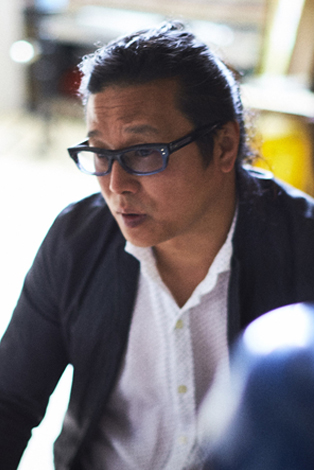 Shinji Ohmaki 大巻伸嗣
Shinji Ohmaki is best known for immersive, large-scale installations that transform the surrounding space. His broad practice, across sculpture, installation, performance and public art, has consistently explored perception, existence, memory and the sensory relationship between the body and its environment. His works have been presented at the Yokohama, Setouchi Triennale, Echigo-Tsumari and Aichi Triennales, as well as major exhibitions across Europe, Asia and Australia. Ohmaki’s work Liminal Air was presented at the 6th Asia Pacific Triennial of Contemporary Art at QAGOMA. His solo exhibitions include Bloom of Light, Tai Kwun contemporary, Hong Kong (2025); Interface of Being at The National Art Center, Tokyo (2023), and Before and After the Horizon, Hirosaki Museum of Contemporary Art (2023). Ohmaki is also a Professor at Tokyo University of the Arts, where he teaches Sculpture and is director of international relations.
Photo: Paul Barbera, Where They Create
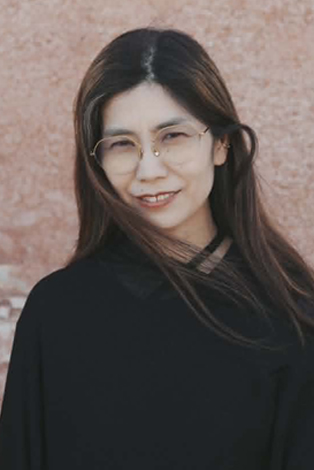 Kei Takemura 竹村京
Kei Takemura’s practice responds to a world shaped by the passage of time, natural disaster, and the movement of people and objects. Through embroidery, photography, drawing, sculpture and the ‘renovation’ of broken everyday objects, she creates works that preserve individual memory, transforming damage into a record of experience and care. Takemura has exhibited widely across Japan, Europe and beyond. She first exhibited in Australia in the 2006 Biennale of Sydney, Zones of Contact, at the Art Gallery of New South Wales, establishing a relationship with Australia that has continued through exhibitions and artistic exchange across Sydney and regional New South Wales. She is currently presenting All Things Move, her largest solo exhibition to date at Art Tower Mito, Ibaraki, exploring memory, loss and the irreversibility of time.
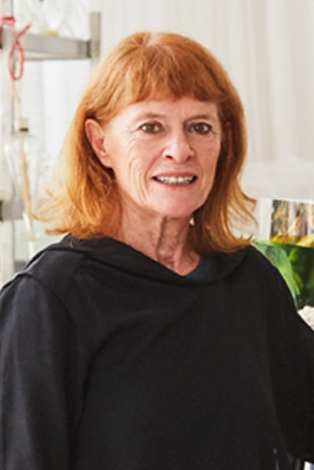 Janet Laurence
Janet Laurence works at the intersection of art, science and the natural world. Her installations bring together botanical specimens, organic materials, glass, scientific apparatus and found objects to explore ecological fragility, transformation, memory and interconnectedness. Laurence’s relationship with Japan extends over three and a half decades, including engagement with local artists, custodians, institutions and communities. In 2003 she created Elixir, a permanent installation for the Echigo-Tsumari Art Triennale, where visitors could taste plant-based elixirs. This work became the starting point for her widely present Elixir Lab series, included in her survey exhibition After Nature at the Museum of Contemporary Art Australia and Inhotim Institute in Brazil. Her work is held in numerous collections internationally including the National Gallery of Australia, and the Seibu Collection in Tokyo. Laurence has a long connection with UNSW, as a student, teacher, exhibiting artist, visiting fellow and as a recipient of the UNSW Alumni Award for Arts.
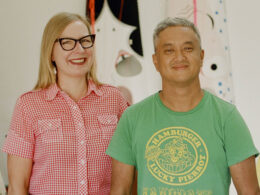 Claire Healy & Sean Cordeiro
Claire Healy and Sean Cordeiro are Australian artists whose collaborative practice explores mobility, consumerism, architecture, displacement, systems of living, and ideas of home. Working with readymade and reconfigured materials—from aircraft parts and architectural structures to Lego and everyday objects—they create ambitious installations and sculptures that make familiar systems appear strange, playful and monumental. They have exhibited widely across Asia, Australia and the United States and Europe, including Lifespan at the 53rd Venice Biennale. In 2022 they were awarded the Art Gallery of New South Wales’ Sulman Prize.
Healy and Cordeiro have had a long relationship with Japan, participating in the Setouchi and Oku-Noto Triennales, and as artists-in-residence at YUI-PORT, Niigata. Their engagement in Japan has shaped works made and/or shown in Australia, including You Are Here (2020), Team Spirit (2023) and Supply Chain Gangster (2024). The artists also met while completing their MFA degrees at the College of Fine Arts, now UNSW Art & Design.
Photo: Claire Healy & Sean Cordeiro : Saski Wilson
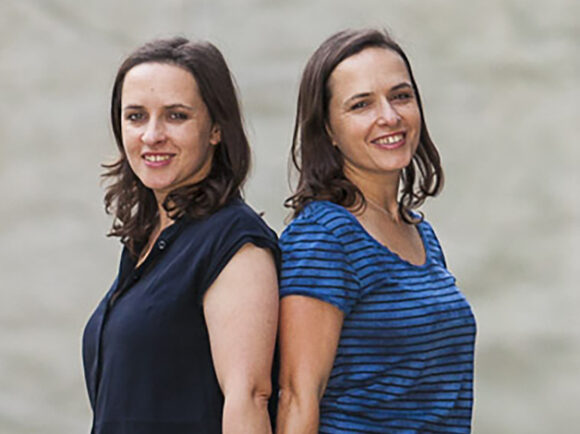 Match Box Projects (Leanne Shedlezki & Naomi Shedlezki)
Match Box Projects is the socially engaged practice of Australian artist duo, sisters Leanne Shedlezki and Naomi Shedlezki. Working across mobile sculpture, performance, installation, photography and participatory exchange, they have worked with diverse local and international communities to explore identity, inclusion, belonging and sense of place. Preferring to create and present their work in the in-between spaces of daily life, they have developed projects in Australia, Asia, North America, the UAE, Europe and the Pacific.
With a longstanding artistic relationship with Japan, the Shedlezki’s practice includes The Australia–Japan Match Box Project, an evolving series of artistic encounters, exchanges and collaborations, involving more than 70 artists and curatorial initiatives from both countries. The project’s first iteration, People to People, Place to Place, was presented at COFA (UNSW Art & Design) and subsequently launched the Japan Foundation’s Facetnate! program for emerging artists. Both are graduates of COFA (UNSW Art & Design), where Leanne completed a BFA Honours, and Naomi a Master of Art in Sculpture, Performance and Installation.
IMAGES
Co-presented by



This event is presented by UNSW Galleries, Cultural Narratives, and The Japan Foundation, Sydney, on the occasion of the 50th Anniversary of the Signing of the Basic Treaty of Friendship and Co-operation between Australia and Japan in 2026.
The forum is co-convened with Olivier Krischer and brings together artists and arts professionals from Australia and Japan who are participating in Creative Constellations: Australia–Japan Horizons, an artist-led bilateral exchange initiative organised and led by Naomi Shedlezki.